

- Graduate
- Undergraduate
- Research
- News & events
- About us
- Student Commons
- Contact us
- Somers Research Group
- Faculty and Staff Resources
- Next Steps
- Incoming Students
- The Roundtable
- Conversion Therapy Survey
- RESET Team
- Spring 2021 Convocation
- Planetary Health Research Group
- The BREATHE Project
- CanOSSEM
- Social Justice & Health Research Cluster
Karen Palmer
Adjunct Professor, Faculty of Health Sciences, Independent Consultant, Health Policy Analyst, Health Systems Researcher
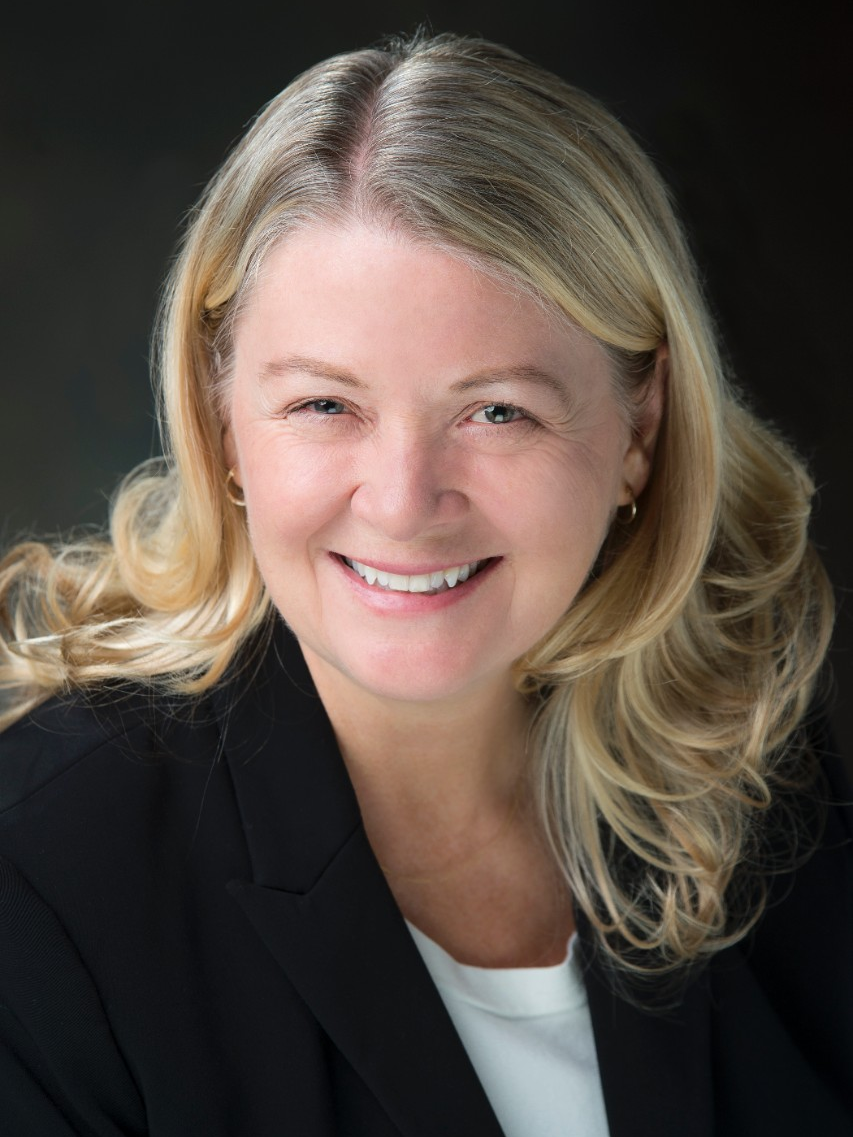
Karen Palmer
Adjunct Professor, Faculty of Health Sciences, Independent Consultant, Health Policy Analyst, Health Systems Researcher
Biography
Karen Palmer is an Adjunct Professor at Simon Fraser University, independent health policy analyst, health systems researcher, and consultant. She first joined FHS as a faculty member in 2008 where she taught comparative health care policy and coordinated the MPH practicum program until 2013.
For over 35 years, Karen has worked across academia, government, international organizations, and civil society in health care policy, systems research, and public health. Her work focuses on evidence-informed policy to improve how health care systems are funded, organized, and delivered, grounded in the belief that health care is a human right.
She holds two graduate degrees in Public Health (MPH, Global/International Health; MS, Health Services, Policy, and Planning); and a Graduate Certificate in Urban and Regional Planning, all from the University of Hawaii (Manoa).
From 2023-2024 Karen worked for the Department of Family and Community Medicine at University of Toronto’s Temerty Faculty of Medicine, where she co-designed and wrote the strategic vision document to guide the Office of Health System Partnership. In 2022 she authored a report on Integrated Youth Services (IYS) on behalf of CIHR’s Institute of Neurosciences, Mental Health and Addiction (INMHA). From 2021-2023 she worked with CanCOVID providing evidence analyses, syntheses, and rapid reviews, resulting in curated resources on the then-evolving COVID-19 pandemic. From 2021-2022 she was Strategic Policy Lead at Women’s College Hospital in the Institute for Health System Solutions and Virtual Care (WIHV), supporting analysis of the emerging evidence on virtual care during the COVID-19 pandemic. From 2016-2019 she was Policy Lead at Women’s College Research Institute on an implementation science research project to evaluate hospital funding reform in Ontario. From 2012-2014, she was Principal Investigator of a CIHR-funded 19-member international research team, leading a systematic review of the effects of activity-based funding in hospitals on cost, quality, access, equity, and efficiency. From 2013-2020 she was retained as a consultant/researcher by counsel for the Attorney-General of British Columbia in Cambie Surgeries Corporation v. British Columbia (Attorney General).
From 2001-2004, she was a member of the secretariat at the World Health Organization (WHO) in Geneva, Switzerland, serving as a technical officer in the Communicable Disease and Non-Communicable Disease branches. She was involved in global TB control and served as a WHO liaison to the 22 high-burden countries — those accounting for 80% of the global burden of TB. She co-authored the Global Tuberculosis Control Report in 2002, 2003, and 2004, compiling and analyzing strategic planning data. She also coordinated a study on health human resources for global TB control, and authored a strategic plan for scaling up the STEPwise approach to global non-communicable disease risk factor surveillance. She was at WHO when the 2003 SARS outbreak occurred and experienced first-hand the evolution of the global community’s response to an emerging threat.
Karen lived in Hawaii from 1985-1995, working as a Senior Health Planner for the Hawaii State Department of Health in the Office of Policy, Planning, and Program Development. Her work focused on Primary Care and Rural Health in the Hawaiian Islands. She later served as a consultant to the Child and Adolescent Mental Health Division (when Hawaii was under a “consent decree” to correct deficiencies in their children’s mental health programs), and to Hawaii Nurses Association, American Nurses Association, Hawaii Child and Family Service, and Utah State University, among others.
In the late 80s, she served as a clinic assistant and teacher aboard a 156-foot triple-masted top-sail schooner, Tole Mour (“gift of life and health”). Marimed Foundation’s self-contained hospital ship, run by a multi-national team of health care providers and sailors, delivered primary care to people of the Marshall Islands, the most remote coral atolls in the world. Karen later returned to the Pacific Basin to study the relationship between rapid social change, prenatal care, and birth outcomes in the indigenous people of Saipan, Commonwealth of the Northern Mariana Islands.
Since 2006 she has been a Policy Adviser to Canadian Doctors for Medicare (CDM) supporting their efforts to strengthen Canada’s Medicare system. She also serves as Board Advisor to Physicians for a National Health Program (PNHP), a research and education organization whose mandate is a publicly-funded, single-payer, national health program for the US.
Publications
View Karen's publications here
T I L